Foreign Policy Failures
Diplomatic disasters, abandoned allies, capitulation to adversaries, and international embarrassments.
51 documented entries
The Same Week a U.N.-Backed Panel Found "Reasonable Grounds" to Believe the United States Committed War Crimes in Trump's Iran War — Bombing an Elementary School and a Residential Area and Killing at Least 178 Civilians, Including Women and Children, With Missiles That Scattered Anti-Personnel Tungsten Pellets — Trump Told the Public, Yet Again, That Iran "Wants a Deal" and the War Was "Hopefully" Nearly Over, a Claim Iran Rejected the Same Day
On September 17, 2026, the U.N. Human Rights Council's independent fact-finding mission on Iran — chaired by the Bangladeshi jurist Sara Hossain — reported "reasonable grounds" to believe the United States committed war crimes in two airstrikes in southern Iran on February 28. The strikes killed at least 178 civilians, including women and children. One hit an elementary school in Minab; the other hit a sports complex and residential area in Lamerd with precision-guided missiles that scattered tungsten pellets, an anti-personnel effect designed to kill people rather than destroy structures. The panel's report is not binding, but it adds to the body of international evidence that could one day be used in court — and, notably, the same mission also accused Iran's theocratic government of crimes against humanity against its own people, so this is not a one-sided indictment. On the very day the war-crimes findings landed, Trump was telling the public something else entirely: that Iran "wants a deal" and the nearly seven-month war was "hopefully" nearing its end. Hours later, an Iranian official rejected talks until "Iran's conditions are met," and there have in fact been no negotiations since June. The juxtaposition is the entry. The war Trump launched on a threat the intelligence never found has now produced credible allegations of American war crimes — a bombed school, 178 dead civilians — and his response is to narrate a peace that the other side says isn't happening.
"This Is Imperialism": Eight Months After U.S. Special Forces Seized Venezuela's President in a Raid on Caracas, Trump Announced the United States Had Taken "Majority Control" of More Than 65 Billion Barrels of Venezuela's Oil — a Stake Second Only to Saudi Aramco — Struck With the Government That Replaced the Leader America Captured, to Paper Over the Record Gas Prices His Own Iran War Created
On August 28, 2026, Trump announced on Truth Social that the United States had secured "majority control" of more than 65 billion barrels of Venezuela's proven oil reserves — through a new company, structured with private business, in which the U.S. would hold a 55% stake and the right to buy oil at cost, making it the second-largest corporate holder of proven reserves in the world after Saudi Aramco. He offered few details. The context is what gives the announcement its weight: in January 2026, U.S. special forces raided Caracas and seized Venezuela's president, Nicolás Maduro, spiriting him to the United States to face narcoterrorism charges. The oil deal was then negotiated with the government that took his place, led by acting president Delcy Rodríguez. So the sequence is: the United States removed a foreign head of state by military force, and then took majority control of his country's oil from the government installed in his wake — to lower American gas prices driven to record highs by Trump's own war in Iran and the Strait of Hormuz standoff. Michael McFaul, the former U.S. ambassador to Russia, named it in three words on MS NOW: "This is imperialism." Other analysts called it "colonial" and urged Congress to stop it, while critics called it "yet another Trump grift." A superpower seizing a weaker nation's oil after decapitating its government is the oldest story in the imperial book, and the United States just told it out loud.
His Trade War With Canada Collapsing and His Talk of Annexing It as the "51st State" Going Nowhere, Trump Signed an Executive Order Renaming Lake Ontario — a Great Lake the United States Shares With Canada, Bearing a 400-Year-Old Indigenous Wendat Name That Predates Both Countries — to "Lake America," a Decree That Changes Nothing but a U.S. Federal Database and Which Canada Answered in Four Words: "Then, Now and Always"
On August 27, 2026, six days after trade talks with Canada collapsed and he slapped 50% tariffs on some $20 billion of Canadian goods, Trump signed an executive order renaming Lake Ontario — one of the Great Lakes, shared along its entire length by the United States and Canada — to "Lake America," effective "immediately." The order directs Interior Secretary Doug Burgum to update the U.S. Geographic Names Information System so that "the lake once known as Lake Ontario will, from this day forward, be known as Lake America." It is the second time Trump has renamed an international body of water for his own country, after decreeing the Gulf of Mexico the "Gulf of America." The trouble is that a president can rename a shared lake only in his own government's databases; he cannot rename it in Canada, which owns the other shore, or anywhere else on Earth. Lake Ontario's name is more than four centuries old, derived from the Wendat word "Ontari'io" — "the lake is beautiful, the lake is big" — predating both the U.S. Declaration of Independence and the Canadian Confederation. Canadian Prime Minister Mark Carney answered that his country will call it Lake Ontario "then, now and always"; Ontario Premier Doug Ford agreed. As CNN dryly put it, Trump couldn't make Canada the 51st state, so he settled for renaming its lake. It is statecraft as tantrum: unable to win the trade fight or the annexation fantasy, he reached for the one thing he could do with a pen — erase a neighbor's name from an American spreadsheet and call it a victory.
As the Iran Ceasefire Expired, Trump Threatened to "Bomb the Shit Out Of" Oman — the Neutral Country That Has Quietly Hosted the U.S.-Iran Back-Channel for Years and Is Best Positioned to Broker an End to His Own Faltering War — and Declared the Strait of Hormuz Should Become U.S. Territory
On August 17, 2026, as a 60-day U.S.-Iran ceasefire agreement expired, President Trump threatened — according to Fox News reporter Trey Yingst — to "bomb the shit out of" Oman if it "gets in the way." Oman is not an adversary. It is the discreet, trusted neutral that has hosted the back-channel for U.S.-Iran diplomacy for years — the intermediary both Washington and Tehran rely on precisely because it talks to everyone and threatens no one — and it controls one side of the Strait of Hormuz, the world's most important oil chokepoint. Threatening to bomb the single government best positioned to help end Trump's own faltering, unwinnable Iran war is the opposite of strategy: it is aimed at the peacemaker, not the enemy, at the very moment his own Chairman of the Joint Chiefs has been privately hunting for an off-ramp. Trump paired the threat with a separate declaration that the Strait of Hormuz should become U.S. territory — a casual assertion of annexation over an international waterway split between two other sovereign nations, echoing his musings about seizing Greenland, the Panama Canal, and Canada. It all landed as Iran's army chief announced bounties on American military personnel and the ceasefire lapsed, deepening a war the United States has no military path to win.
Trump Gutted the Joint Military Exercises Defending Ally South Korea — Hours Before They Began — Because Kim Jong Un Is "Unthreatening and Respectful" and "I Understand Him," and to Punish Seoul for Refusing to Join His Iran War, Rewarding the Nuclear Dictator Who Flatters Him at a Democratic Ally's Expense
On August 16, 2026 — hours before they were set to begin — Trump directed Defense Secretary Pete Hegseth to "substantially reduce" the long-scheduled Ulchi Freedom Shield joint military exercises with South Korea, the roughly 18,000-troop drills that keep the mutual-defense alliance ready against a North Korean attack. His reasons: his "very good relationship" with North Korea's Kim Jong Un, and South Korea's refusal to join his war in Iran. The exercises, Trump complained, "send a signal that is totally inappropriate and hostile, to a Country that, as long as Donald J. Trump has been President, has been unthreatening and respectful." He praised a "very wise and reasoned" Kim decision and said, "I understand him. He understands me." Every premise is false or backwards. Kim Jong Un is not "unthreatening": he has declared North Korea is and always will be a nuclear power, keeps testing missiles, and calls South Korea a hostile enemy. The drills are not a provocation; they are the routine readiness of a seventy-year treaty alliance. And cutting them to punish Seoul for declining an unrelated war treats a democratic ally's defense as a chip to be revoked when it won't follow Trump into a conflict it wants no part of. Asian allies were left visibly nervous — watching an American president weaken a treaty commitment because a nuclear dictator was nice to him.
The Iran War Trump Started With No Cause Is Now Fracturing His Own Movement: Tucker Carlson, Once His Loudest Media Booster, Calls the War "Disgusting and Evil," Accuses Trump of Betraying America First, Apologized for "Misleading" His Audience Into Voting for Him, and Has Quit the Republican Party to Build Organized Opposition
One measure of a war of choice gone wrong is when the people who cheered the leader loudest turn on him. Tucker Carlson — among Trump's most prominent media backers through the 2024 campaign, and a defining voice of the "America First" movement — has become one of his sharpest adversaries, and the breaking point is the Iran war. Carlson began criticizing the administration's foreign policy in 2025; after the joint U.S.-Israeli strikes on Iran in February 2026, the split became a rupture. He has called the war "disgusting and evil," accused Trump of putting Israel's interests ahead of America's, and in April 2026 apologized to his audience on his podcast for having "misled" them into voting for Trump. In June 2026 he announced he was leaving the Republican Party over the war, and his theatrical exit has hardened into organized opposition — with talk of a third-party push that could threaten Trump and the GOP. The specifics of Carlson's critique are his own, and some of his framing is inflammatory. But the political fact is the point: the war Trump launched on a threat the intelligence never found — a war his own top general now privately calls unwinnable — has cost him one of his biggest amplifiers and is fracturing the anti-war, "America First" base that put him in office. The coalition is cracking along the exact fault line the war created.
Trump's Own Chairman of the Joint Chiefs Privately Concluded the Iran War He Started Has No Military Path to Victory and Is "Looking for an Off-Ramp" — Airpower Won't Make Iran Fold, the Only "Win" Would Take a Ground Invasion Costing Thousands of American Lives He Refuses to Order, and the U.S. Is Running Out of the Munitions to Keep Bombing
By August 2026 — nearly six months into the war Trump launched against Iran on a threat the intelligence never found — the man Trump put in charge of the entire U.S. military had privately concluded there was no way to win it. CNN reported that Chairman of the Joint Chiefs Gen. Dan Caine has told senior Trump advisers the United States needs an "off-ramp," because the available options to escalate could backfire into wider retaliation and airpower alone is unlikely to force Tehran to accept Trump's terms. The trap is of Trump's own making. He wants Iran to capitulate but refuses to order the only thing that could militarily force it — a ground invasion that officials and analysts estimate could cost thousands of American lives (retired Gen. Barry McCaffrey noted even 150,000 troops might not secure the Strait of Hormuz). So the U.S. bombs, and pauses, and bombs again, achieving no decisive result while its own stockpiles run dry: commanders are worried about depleted air-defense interceptors, precision munitions, and offensive missiles, much of it expended in the assault on Iran. It is what one four-star assessment called the "ultimate stalemate" — a war with no military solution inside the president's constraints, roughly 70% of Americans opposed, U.S. troops still dying, and the nation's top general quietly hunting for the exit his commander-in-chief won't take.
Trump Is Now in an Open Feud With the Pope — Demanding the First American-Born Pontiff Stop Criticizing His Wars and Deportations, Questioning Whether Leo XIV Was Even Legitimately Elected, and Summoning a Vatican Diplomat to the Pentagon for a "Bitter Lecture" to Get in Line
A diplomatic rift between the United States and the Holy See that began in early 2026 has escalated into an open feud between Trump and Pope Leo XIV — the first U.S.-born pope. Leo has criticized, on moral and humanitarian grounds, the administration's foreign and domestic conduct: the war on Iran, military action toward Venezuela, the Greenland and Cuba crises, the halting of foreign aid, and the mass-deportation operation known as Operation Metro Surge. Trump's response has not been to answer the criticism but to try to silence the critic. He has demanded that Leo refrain from criticizing U.S. policy, and has gone so far as to question the legitimacy of Leo's election as pope. A top Vatican diplomat was summoned to the Pentagon and given what was described as a "bitter lecture" demanding the Pope get behind Trump. The White House invited Leo to celebrate America's 250th birthday in Washington; he declined. Secretary of State Marco Rubio — himself Catholic — was dispatched to meet the pontiff to manage the damage. It is an extraordinary spectacle: the President of the United States pressuring the Vatican to stop making moral objections to his killing and deporting, and impugning the validity of a papal conclave because the man it chose will not bless his policies. A president confident in the morality of his actions does not need to lecture the Pope into silence.
Trump Declared a "Historic" Agreement to Disarm Hamas and Bring "Lasting Peace" to Gaza — Except Israel Never Publicly Agreed to It, Hamas Says It Won't Give Up a Single Weapon Until Israel Withdraws First, and the Actual Disarmament Plan Doesn't Exist Yet: They Have 14 Days to Try to Write One
On July 30–31, 2026, Trump announced through his U.S.-led "Board of Peace" that mediators from the United States, Egypt, Qatar, and Turkey had reached a "historic agreement" for the "complete disarmament of Hamas and all other armed groups in Gaza." He called it "a monumental step toward lasting peace and security" and a "major milestone" in his 20-point plan, to be "carried out in carefully structured phases." Read past the superlatives, though, and the announcement describes not a peace but an agreement to attempt to design one. The actual disarmament roadmap does not exist yet — the parties have 14 days to try to draft it, subject to an international verification body and the agreement of all sides. And the two parties who would have to carry it out have not, in fact, agreed on the thing that has sunk every previous round: sequencing. Israel has not publicly signed on to the latest proposal, and its officials remain deeply skeptical Hamas will ever surrender its weapons. Hamas says it will not implement any part of the deal unless Israel first fulfills its obligation to withdraw from Gaza. Disarm-first or withdraw-first is the exact chicken-and-egg that has broken talks for two years — and it remains unresolved under the "historic agreement." Americans have seen this move before: weeks earlier, Trump declared his Iran ceasefire a done, triumphant peace, and it collapsed within a month into the deadliest fighting of the war. The Gaza announcement may yet hold. But the gap between "historic agreement" and what the parties have actually committed to is the whole story.
Trump Is Bombing Iran to Stop It From Enriching Uranium — and in the Same Week Signed a Deal Giving Saudi Arabia a Path to Enrich Uranium, Reversing Decades of U.S. Nonproliferation Policy, Handing the Technology to the Crown Prince Who Ordered Khashoggi's Murder, and Then Denying on Truth Social That His Own Signed Deal Allows Any Enrichment at All
On July 22, 2026 — as U.S. forces waged the deadliest stretch of a war against Iran that Trump justifies as preventing Tehran from enriching uranium — the administration signed a landmark civil-nuclear "123 agreement" with Saudi Arabia that opens a path for the kingdom to enrich uranium itself. Energy Secretary Chris Wright and Saudi Energy Minister Prince Abdulaziz bin Salman signed the 30-year deal, under which U.S. companies would help build the Saudi program, including a potential uranium-enrichment facility pending a joint feasibility study. It reverses the longstanding U.S. "gold standard" that required partner nations to forgo enrichment and reprocessing — the exact capability Trump is dropping bombs on Iran to deny it. Critics called the double standard staggering: Sen. Ed Markey said the administration is "allowing Saudi Arabia, a belligerent and authoritarian nation, to develop nuclear weapons technologies while starting a war with Iran under the guise of preventing an Iranian nuclear bomb." Former Sen. Claire McCaskill, reacting on MSNBC, put it plainly: "It's nuts!" Then Trump contradicted his own government: after officials and the agreement text referenced enrichment, he posted on Truth Social, "There will be no enrichment of material!" He also said the deal hinges on Saudi Arabia normalizing relations with Israel. The recipient is the government of Crown Prince Mohammed bin Salman, whom U.S. intelligence concluded ordered the murder of journalist Jamal Khashoggi. The agreement takes effect unless both chambers of Congress pass resolutions to block it within 90 days — meaning it would need a veto-proof supermajority to stop, and almost certainly stands. The message to the world: America's friends may enrich uranium; its enemies get bombed for it — a precedent that guts the nonproliferation regime and hands Iran every reason to seek the bomb.
The Iran Ceasefire Trump Signed and Paraded as a Historic Triumph Collapsed Within Weeks Into Nine Straight Nights of U.S. Airstrikes — Iran Firing Missiles at American Bases in Kuwait and Bahrain, Its New Supreme Leader Calling Trump's Signature "Worthless," and the U.S. Death Toll From a War That Never Had a Reason Still Climbing
The ceasefire and memorandum of understanding Trump signed with Iran last month — and touted as a signature achievement — has collapsed. After an Iranian drone struck a ship in the Strait of Hormuz in early July, Trump declared the ceasefire "over," and the United States launched what became nine consecutive nights of airstrikes across Iran, hitting military command centers, air defenses, coastal surveillance, missile and drone sites, communications networks, and bridges. Iranian health officials reported at least 46 killed and more than 400 wounded since the fighting resumed. Iran retaliated by firing missiles and drones at U.S. bases in the Gulf — including the Ali Al Salem base in Kuwait, where it said it hit an ammunition depot and a Patriot radar — and at facilities in Bahrain and Jordan, injuring Kuwaiti military personnel. Iran announced it was suspending its commitments under the agreement, and its new supreme leader, Mojtaba Khamenei — who succeeded his father Ali Khamenei after the elder was killed in the war's opening U.S.-Israeli strikes — derided Trump's signature on the deal as "worthless" and warned of "unforgettable lessons." Since the war began in late February, at least 16 U.S. service members have been killed and more than 430 wounded. Pakistan and Qatar are scrambling to restart talks. It is the predictable unraveling of a war that, as documented here, was launched without a defensible cause — intelligence had found no imminent Iranian threat — and a "peace" that was announced for the cameras before it was ever secured on the ground.
Iran Says It's Not Charging "Tolls" on the Strait of Hormuz — Just "Service Fees" of $2 Million Per Ship. Trump Calls It "A Beautiful Thing"
Iran announced it will charge up to $2 million per vessel to transit the Strait of Hormuz — but insists these are "service fees," not "tolls." Foreign Ministry spokesman Baghaei: "We do not charge tolls," but "services will be provided" that "require charging fees." The IRGC-linked Persian Gulf Strait Authority (PGSA), established May 5, processes clearances requiring 40+ categories of vessel data, paid in yuan or bitcoin — no dollars accepted. Iran's parliament codified the system on March 30-31, before any ceasefire. The June 14 MOU declares Hormuz "toll free" — but only for 60 days, after which Iran says fees apply. Trump initially said "they better not be" charging, then called it "a beautiful thing" and proposed a "joint venture." Naval War College's James Holmes: "There is no provision in international law for a coastal state charging for passage through a natural waterway, whether you call it a toll or a fee." No post-1945 precedent exists for mandatory fees on a natural strait. Oman refuses to impose tolls on its side. The IRGC declared the strait "will never return to its former state." Experts warn: if Hormuz gets a toll booth, so could Malacca, Gibraltar, and Bab el-Mandeb.
"Unacceptable" and "Obscene": Vindman Condemns Trump and Hegseth's Cavalier Attitude Toward U.S. Deaths in Iran
Rep. Eugene Vindman called Trump and Hegseth's attitude toward American casualties in Iran "unacceptable" and "obscene." At least 15 U.S. troops dead, 520+ wounded. Hegseth boasted of "death and destruction from the sky all day long" and said "We are punching them while they're down." Trump joked it was "more fun" to sink warships than capture them. The Pentagon has been accused of hiding casualty numbers.
Trump Pulls 5,000 Troops From Germany Because Merz Criticized His Iran War — Threatens "A Lot Further"
Trump ordered 5,000 troops withdrawn from Germany after Chancellor Merz said the U.S. was being "humiliated" by Iran and lacked a strategy. Trump then threatened to go "a lot further" than 5,000. Spain and Italy may be next. He is dismantling NATO's core European deterrent because an ally criticized a war that NATO refused to join.
Hegseth Fires Navy Secretary Phelan — During a Naval Blockade of Iran
Defense Secretary Pete Hegseth fired Navy Secretary John Phelan "effective immediately" — while the U.S. Navy is enforcing an active blockade of the Strait of Hormuz. The reason: Phelan communicated directly with Trump, which Hegseth saw as bypassing him. Three weeks earlier, Hegseth also fired the Army Chief of Staff during the same war.
Iran Fires on 3 Ships, Seizes 2 in Hormuz — Won't Talk While U.S. Blockade Continues
Iran fired on three ships in the Strait of Hormuz and seized two of them, causing heavy damage to the MSC Francesca's bridge. Trump extended the ceasefire — but Iran says no more talks until the U.S. lifts its own blockade. The deadlock deepens: both sides are closing the strait, ships are being seized, and the diplomatic channel is dead.
Strait of Hormuz Closed — Again — After Being Opened, Blockaded, Reopened, and Re-Closed
Iran closed the Strait of Hormuz again on April 18 — one day after declaring it open — because the U.S. refuses to lift its own blockade. Iranian gunboats fired on an Indian tanker. A container ship was hit by a rocket. Nobody can keep track of whether the strait is open anymore, because it has been closed, tolled, ceasefire-opened, U.S.-blockaded, reopened, and re-closed in seven weeks.
Orbán Loses by a Landslide Despite Vance Flying to Budapest to Save Him
Viktor Orbán — Trump and Vance's model for illiberal governance — lost a landslide to Péter Magyar's Tisza Party: 138 seats to 55, a two-thirds supermajority. Vance personally flew to Budapest days before the election to boost him. Trump dangled economic support. Record turnout since the end of Communism. Orbán is out after 16 years.
Trump Now Blockades the Strait He Threatened to End a Civilization to Reopen
After peace talks collapsed, Trump ordered a full U.S. Navy blockade of the Strait of Hormuz — "any and all ships" in either direction. Iran had been letting tankers through for a $2M toll. Trump spent weeks threatening to end Iran's civilization over the strait's partial closure. Now the U.S. is closing it itself.
Vance After 21 Hours in Islamabad: "They Have Chosen Not to Accept Our Terms"
Vice President JD Vance — lead U.S. negotiator — announced the Iran talks are dead after a 21-hour marathon in Islamabad. Both delegations going home. No nuclear deal. No Lebanon ceasefire. No Strait of Hormuz reopened. Six weeks of war, 13 dead, $25 billion spent — to end at "they chose not to accept our terms."
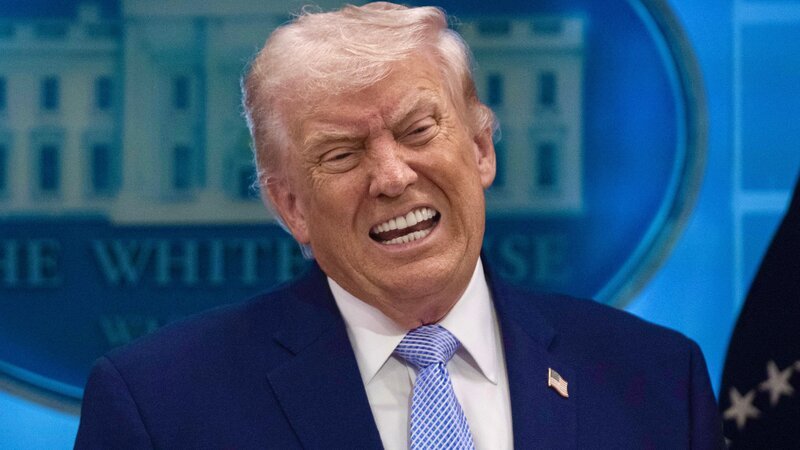
Another Midnight Meltdown: Trump Threatens Iran Hours After Backing Down on His Own Deadline
One day after agreeing to a ceasefire (and one day after threatening to end "a whole civilization"), Trump posted a midnight rant demanding all U.S. forces stay in the region until a "REAL AGREEMENT" is reached. The ceasefire Israel already broke.
Ceasefire Lasted Hours: Israel Killed 254 in Lebanon, Iran Suspends Hormuz Deal
Hours after the ceasefire was announced, Israel launched its largest Lebanon attack of the war — 254 killed, 1,165 wounded in central Beirut. Netanyahu said Lebanon "isn't covered." Iran accused Israel of violating the deal and is suspending Strait of Hormuz tanker traffic.
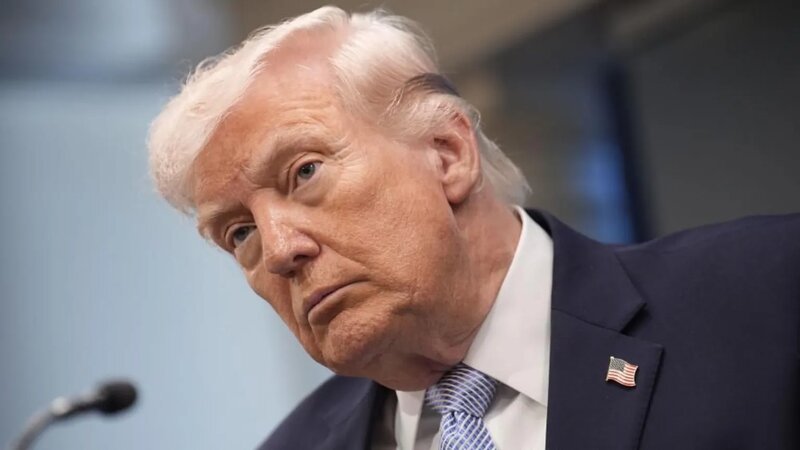
Iran Ceasefire: A "Temporary Win" That Cost Thousands of Lives, $1B+ in Equipment, and U.S. Credibility
After 6 weeks, $25B+, 13 U.S. dead, $1B+ in destroyed equipment, and threatening to end "a whole civilization" — Trump agreed to a 2-week ceasefire if Iran reopens the Strait. Iran declared "victory." The nuclear program is intact. The Strait gets a $2M-per-ship Iranian toll.
"A Whole Civilization Will Die Tonight": Trump Threatens to Destroy Iran as Deadline Passes
Trump posted: "A whole civilization will die tonight, never to be brought back again. I don't want that to happen, but it probably will." His fifth Strait of Hormuz deadline. The IEA called the crisis worse than 1973, 1979, and 2002 combined.
"Open the Fuckin' Strait, You Crazy Bastards — Praise Be to Allah": Trump's Easter Rant and Missed Deadlines
On Easter morning, Trump threatened to bomb Iran's power plants and bridges: "Open the Fuckin' Strait, you crazy bastards, or you'll be living in Hell. Praise be to Allah." It was his fourth missed Hormuz deadline. Tehran accused him of planning war crimes.
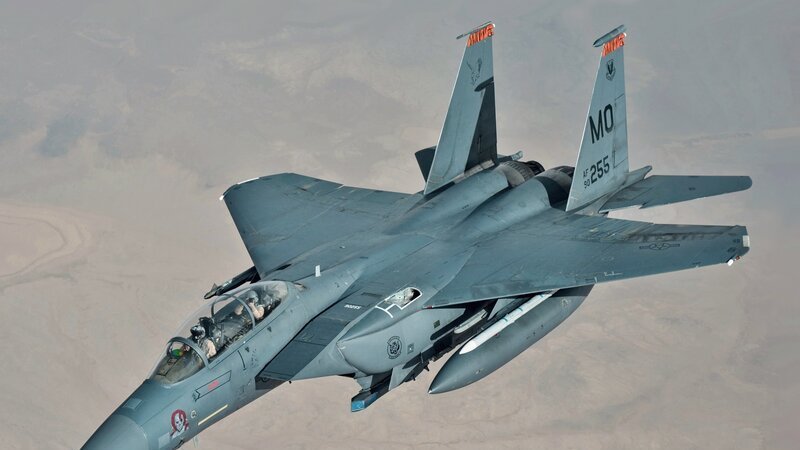
Two U.S. Aircraft Lost in a Single Day: F-15E Shot Down Over Iran, A-10 Hit Near Hormuz
Two U.S. aircraft lost on the same day: an F-15E shot down over Iran (one crew rescued, one missing — Iran offering a bounty) and an A-10 Warthog hit by Iranian fire near the Strait of Hormuz (pilot rescued). A rescue helicopter was also fired upon. Two days after Trump said the war was "nearing completion."
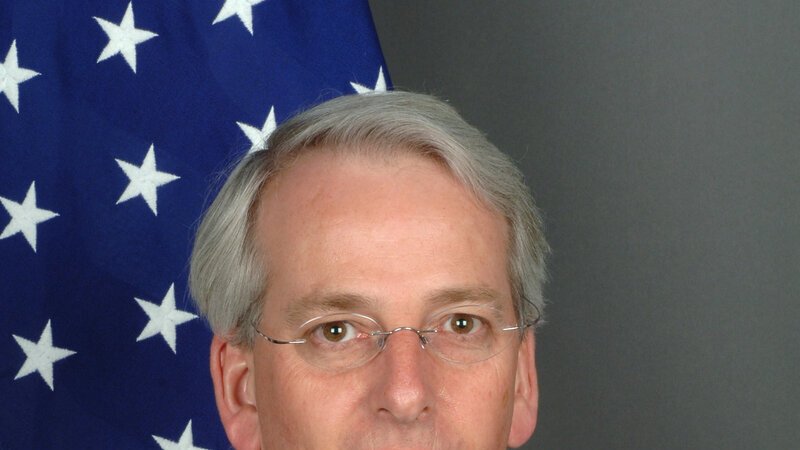
"Trust Has Been Broken": Former NATO Ambassador Says Trump Has Destroyed the Alliance
Former NATO Ambassador Daalder says Trump has broken the foundational trust of the alliance. Trump threatened to pull from NATO and stop Ukraine weapons sales because allies refused to join his Iran war. France closed its airspace to U.S. warplanes. Spain barred U.S. bombers.
Trump Willing to End Iran War Without Reopening the Strait of Hormuz
WSJ: Trump told aides he'll end the war even if the Strait of Hormuz stays closed — leaving the world's most critical oil chokepoint blocked. He wants allies to clean up the mess. Leavitt confirmed reopening Hormuz is "not a core objective."
Pentagon Preparing Weeks of Ground Operations in Iran — Week 5 of a War Trump Is "Bored" With
The Washington Post reported the Pentagon is preparing for weeks of ground operations in Iran using Special Operations and conventional infantry. Marines and 82nd Airborne already deploying. Trump hasn't approved the plans — and is reportedly "bored" with the war.
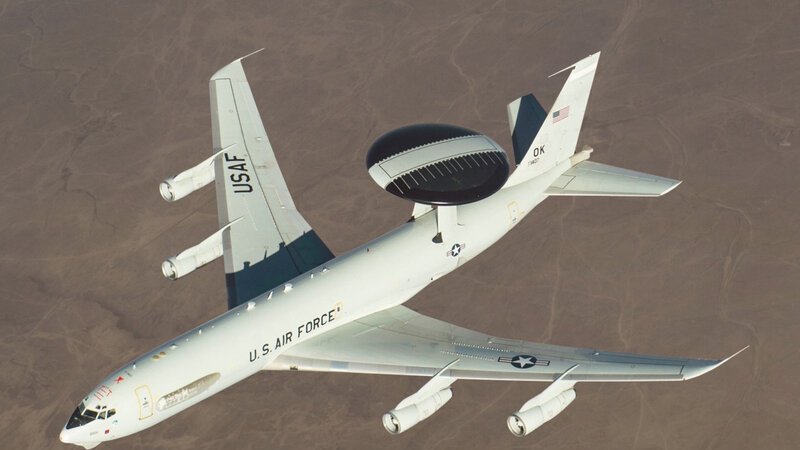
Iran Destroys $300M U.S. AWACS Radar Plane on Saudi Base — First Ever Lost in Combat
An Iranian missile strike destroyed a $300 million E-3 Sentry AWACS at Prince Sultan Air Base — the first such aircraft ever lost in combat. Its radar dome was photographed on the ground. At least 10 service members injured. Without it, the U.S. loses vital battlefield awareness.
U.S. Can Only Confirm a Third of Iran's Missile Arsenal Destroyed After a Month of War
Reuters: U.S. intelligence can only confirm about a third of Iran's missiles destroyed after nearly a month of bombing. Another third's status is unclear — possibly buried in tunnels. Similar for drones. The Pentagon had touted a "90% reduction" in attacks.
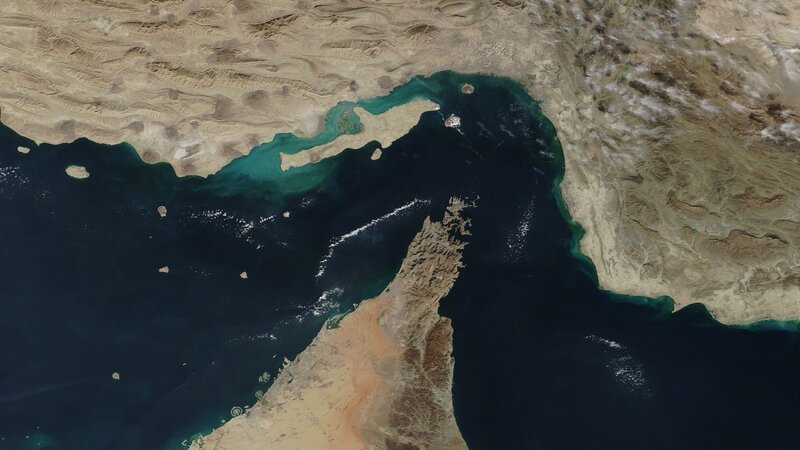
Iran Military Mocks Trump with "You're Fired" as 15-Point Peace Plan Rejected
Iran's military spokesperson told Trump "You are fired" and mocked him for "negotiating with yourself." Iran rejected the 15-point peace plan as "maximalist" and issued its own 5 conditions. The 82nd Airborne was ordered to deploy as Trump declared the war "won."
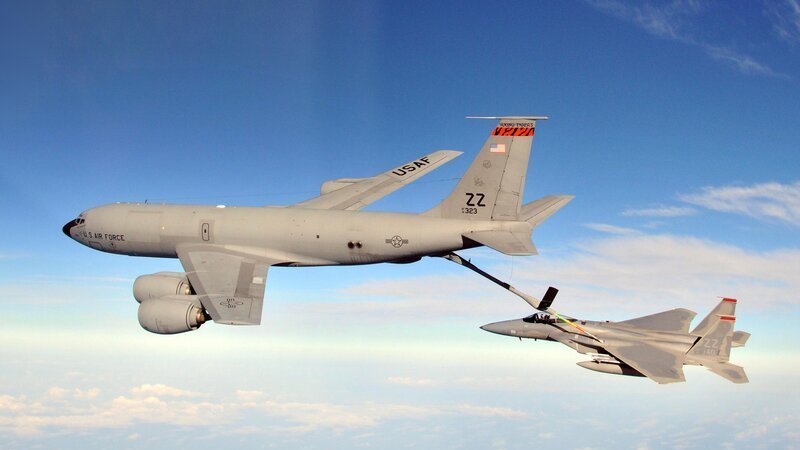
KC-135 Tanker Crashes in Iraq During Iran War — All Six Crew Members Killed
A KC-135 Stratotanker crashed in western Iraq during an Operation Epic Fury sortie, killing all six crew. A second KC-135 landed with damage. Not caused by enemy fire — an operational accident during a war with overstretched forces.
"Shadow MAGA": Greene, Carlson, Kent Break with Trump Over Iran War
Greene accused the administration of "murdering children," questioned Trump's "mental state," and called Fox News "fake news." Tucker Carlson amplified the dissent. NCTC chief Joe Kent resigned in protest. A "Shadow MAGA" faction is fracturing the movement.
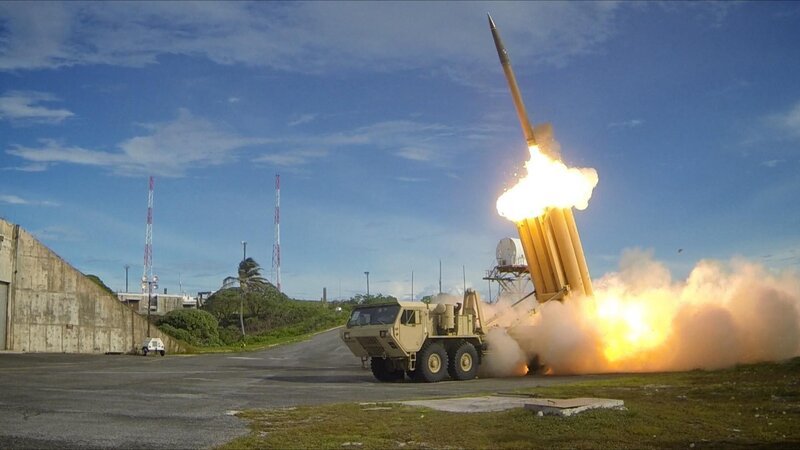
Iran Destroyed a $500M U.S. THAAD Missile Defense Radar in Jordan — Satellite Images Confirm
Satellite images show Iran destroyed the AN/TPY-2 radar for a U.S. THAAD missile battery at a Jordanian air base in the first days of the war — 500+ miles from Iran. The radar, worth $300-500M, is critical to U.S. missile defense across the Gulf. Similar sites in the UAE were also hit.
Three U.S. F-15Es Shot Down by Kuwait in Friendly Fire — $270M Lost on Day 2 of War
On the second day of the Iran war, three U.S. F-15E Strike Eagles were shot down over Kuwait by Kuwaiti air defenses in a friendly fire incident. All six crew ejected safely. A Kuwaiti F/A-18 reportedly fired on allied jets. Analysts called it "bizarre."
Launched Iran War During Peace Talks; Allies Refused to Help
Despite a "breakthrough" in Iran nuclear talks, Trump and Israel launched airstrikes killing thousands. Iran closed the Strait of Hormuz. When Trump demanded NATO help, allies refused. Germany: "This is not our war."
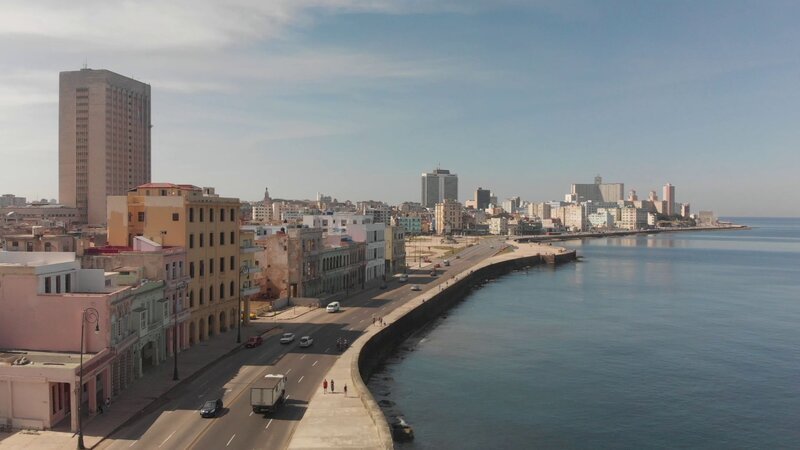
Trump Blockades Cuba's Oil, Grid Collapses, Threatens to "Take" Cuba — Ambassador: "Surrender Isn't in Our Dictionary"
Trump imposed the first effective oil blockade of Cuba since the Missile Crisis, causing a nationwide blackout. He said he'd have "the honor of taking Cuba." Cuba's ambassador: "Surrender isn't in our dictionary." The UN warned of threats to food, water, and hospitals.
Invaded Venezuela and Captured Its President
The U.S. launched a military invasion of Venezuela, capturing President Maduro and killing at least 80 people. Trump declared the U.S. would "run the country." Brazil, France, China, and most of the world condemned it.
Boycotted G20 in South Africa, Left an Empty Chair
Trump boycotted the first African-hosted G20 based on debunked "white genocide" claims. South Africa refused to hand the presidency gavel to a junior U.S. official, leaving an empty chair. Trump then banned SA from the 2026 G20.
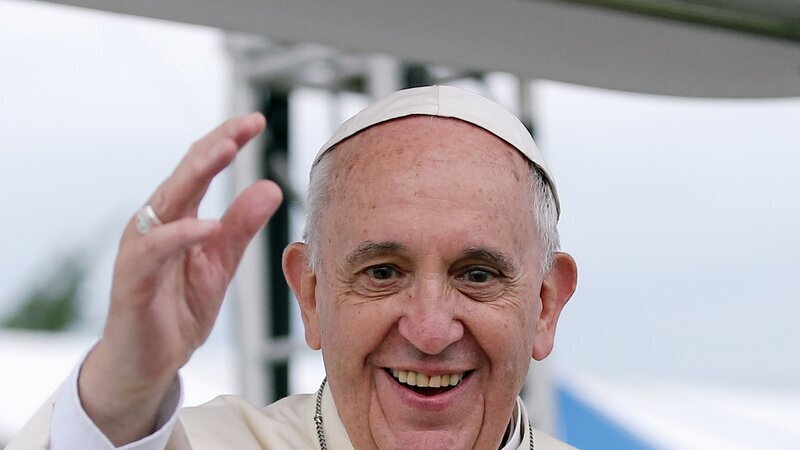
Pope Francis's Final Public Act Was Rebuking Vance's "Contempt" for Migrants — Then He Died
Vance met Pope Francis on Easter Sunday. Hours later, the Pope delivered his final public address denouncing "contempt towards the vulnerable and migrants." The Pope died the next morning. His last public message was a rebuke of the man he'd just met.
Zelensky Oval Office Ambush
A White House meeting with Ukraine's President Zelensky devolved into a televised shouting match. Trump and Vance berated Zelensky, blamed him for the Russian invasion, and suspended intelligence and military aid.
Gutted USAID — 83% of Programs Terminated
The administration shut down USAID with a stop-work order, cutting off lifesaving care worldwide overnight. 83% of programs and 92% of grants were eliminated. Experts estimated 3 million preventable deaths per year as a result.
Threatened Military Force to Seize Greenland and Panama Canal
Trump publicly threatened to use military force to seize Greenland from Denmark and the Panama Canal from Panama, and "economic force" to annex Canada — alienating three close allies simultaneously.
World Leaders Caught Mocking Trump at NATO Summit
At a NATO reception at Buckingham Palace, Trudeau, Macron, Johnson, and Rutte were caught on camera laughing about Trump's behavior. An embarrassed Trump called Trudeau "two-faced" and left the summit early.
Abandoned Kurdish Allies to Turkish Invasion
After a phone call with Turkey's Erdogan, Trump abruptly withdrew U.S. forces from northern Syria, greenlighting a Turkish military assault on Kurdish allies who had lost 11,000 fighters battling ISIS alongside American troops.
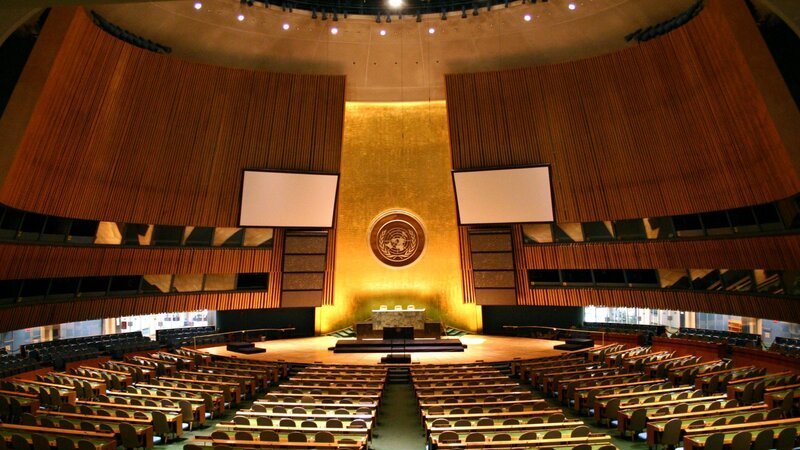
World Leaders Laughed at Trump at the UN General Assembly
Trump boasted to the UN that his administration had "accomplished more than almost any administration in the history of our country." The entire hall of world leaders burst into laughter. Trump: "I didn't expect that reaction."

Helsinki: Sided with Putin Over U.S. Intelligence
Standing next to Vladimir Putin, Trump publicly sided with Russia's denial of election interference over the unanimous assessment of U.S. intelligence agencies — days after 12 Russian intelligence officers were indicted for hacking.
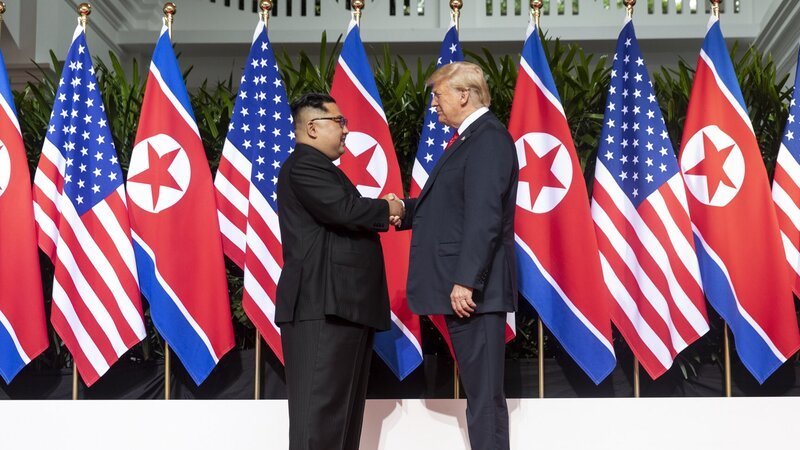
Kim Jong Un "Love Letters" Got Nothing
Trump held three summits with Kim Jong Un, exchanged "love letters," cancelled military exercises, and legitimized the dictator on the world stage. North Korea got everything; the U.S. got nothing. NK expanded from ~30 to ~50 warheads.
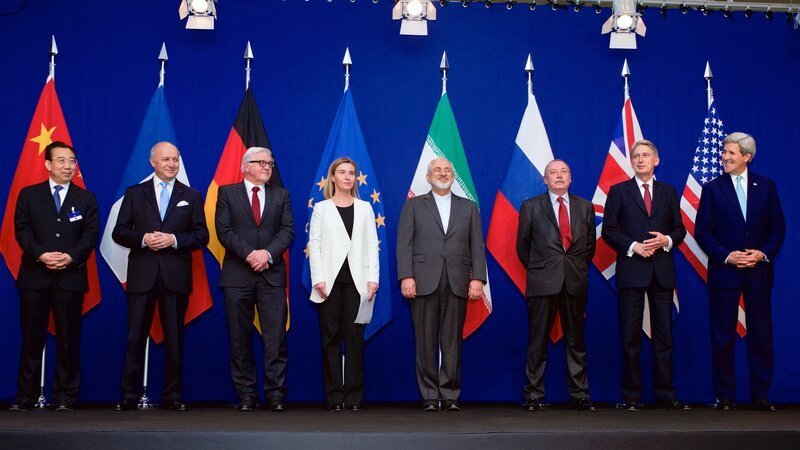
Withdrew from Iran Nuclear Deal — Iran Accelerated Enrichment
Trump withdrew from the Iran nuclear deal while Iran was in full compliance. Without the agreement's constraints, Iran enriched uranium to 60% (near weapons-grade) and deployed advanced centrifuges. No replacement deal was ever achieved.
Shared Classified Israeli Intelligence with Russian Officials
The day after firing FBI Director Comey, Trump hosted Russian officials in the Oval Office — closed to U.S. press — and revealed highly classified Israeli intelligence about ISIS, compromising sources and methods.