Withdrew from Iran Nuclear Deal — Iran Accelerated Enrichment
Trump withdrew from the Iran nuclear deal while Iran was in full compliance. Without the agreement's constraints, Iran enriched uranium to 60% (near weapons-grade) and deployed advanced centrifuges. No replacement deal was ever achieved.
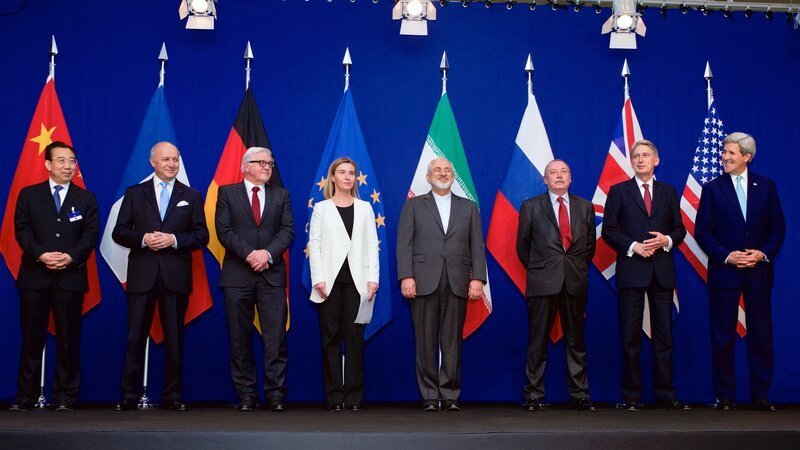
On May 8, 2018, Trump unilaterally withdrew the United States from the Joint Comprehensive Plan of Action (JCPOA) — the Iran nuclear deal — despite Iran being in verified compliance with its terms. All other signatories (UK, France, Germany, Russia, China, and the EU) opposed the withdrawal.
The deal had been successfully constraining Iran's nuclear program. After withdrawal, those constraints evaporated:
- Iran enriched uranium to 60% — dangerously close to the 90% weapons-grade threshold
- Iran deployed advanced centrifuges that had been restricted under the deal
- Iran's stockpile of enriched uranium grew to many times the JCPOA limit
- Iran was pushed closer to China and Russia diplomatically
94% of international relations scholars disapproved of the withdrawal. No replacement deal was ever achieved. Harvard's Stephen Walt called it Trump's "most consequential foreign-policy blunder."
Trump withdrew from a working agreement that constrained a nuclear program and got nothing in return — leaving Iran closer to a nuclear weapon than it had been in a decade.