Trump Blockades Cuba's Oil, Grid Collapses, Threatens to "Take" Cuba — Ambassador: "Surrender Isn't in Our Dictionary"
Trump imposed the first effective oil blockade of Cuba since the Missile Crisis, causing a nationwide blackout. He said he'd have "the honor of taking Cuba." Cuba's ambassador: "Surrender isn't in our dictionary." The UN warned of threats to food, water, and hospitals.
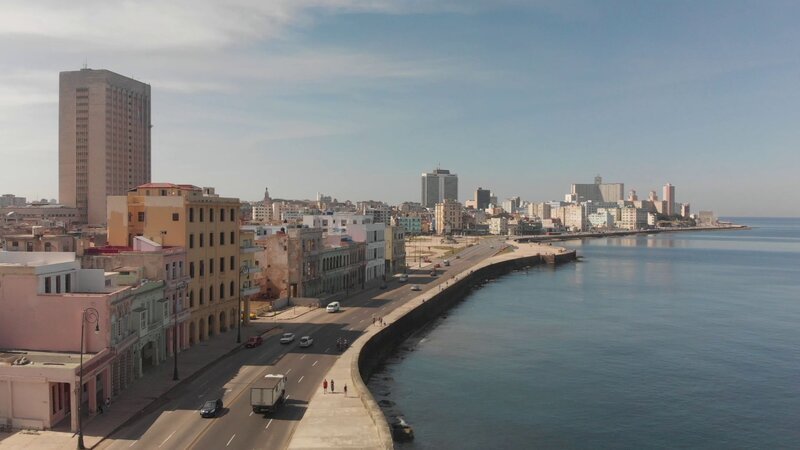
On January 30, 2026, Trump signed Executive Order 14380 imposing tariffs on any country that supplies oil to Cuba — creating the first effective blockade of the island since the Cuban Missile Crisis of 1962. The blockade targeted tankers from Mexico's state-owned Pemex and threatened supplier nations with tariffs.
The humanitarian consequences were immediate:
- Cuba's national power grid collapsed entirely on March 16, plunging the island into total darkness
- The UN Human Rights Office warned the blockade threatened Cuba's food supply, water systems, and hospitals
- 11 million people were affected by the blackout
Trump's response to the grid collapse was not concern — it was triumphalism. He told a crowd: "I do believe I'll be having the honor of taking Cuba." He called on Cuba to "make a deal before it's too late" without specifying any terms. He said at the NRCC dinner: "Cuba is next."
Cuba's ambassador responded: "Surrender isn't in our dictionary." Cuban officials stated: "We do not know the word surrender."
The timeline is important: Trump imposed this oil blockade while simultaneously starting a war with Iran that closed the Strait of Hormuz and sent global oil to $126/barrel. He was blockading one country's oil supply while his own war was disrupting 20% of the world's oil supply. And he was threatening to "take" Cuba while his military was struggling to locate two-thirds of Iran's missiles.
Russia eventually sent an oil tanker to Cuba in late March. Trump quietly allowed it — leading Cuba hawks to complain he had backed down. The "honor of taking Cuba" remained rhetoric.