#voter-suppression
13 entries with this tag
After a Yearlong Campaign to Restrict Mail Voting and Repeated Emergency Trips to a Friendly Supreme Court, Trump Was Finally Told No: the Court Left Judge Talwani's Block in Place, Refusing to Let His USPS Mail-Ballot Rule Take Effect for the 2026 Midterms — Finding the Administration Unlikely to Win and, Per Kavanaugh, That Imposing the Rushed Rule Now Would Be "Arbitrary and Capricious"; Only Thomas and Alito Publicly Dissented
On September 14, 2026, the Supreme Court refused to let Trump's mail-voting restrictions take effect for the 2026 midterm elections — leaving in place the preliminary injunction issued by U.S. District Judge Indira Talwani and denying the administration's emergency bid to lift it. The practical result: voters will not face the new hurdles this fall. The Court's majority said the administration was unlikely to succeed on the merits of its challenge. Justice Brett Kavanaugh, concurring, allowed that there is "at least a fair prospect" the USPS rule falls within the Postal Service's statutory authority, but concluded that applying it in the 2026 elections "would be arbitrary and capricious in violation of the Administrative Procedure Act because state and local election officials do not have sufficient time to reasonably implement the rule before the elections" — precisely the rushed, unworkable timeline that a whistleblower, the states, and Judge Talwani had all warned about. Only Justices Clarence Thomas and Samuel Alito publicly dissented; no other justice disclosed a vote to let the rule proceed. This is a defeat for Trump, and a notable one: the same Court that in August lifted an earlier injunction in his favor declined, weeks later, to clear his signature voter-suppression scheme in time for the election it was built for. The rule would have required states to upload voter lists to USPS and meet new ballot-envelope and barcode requirements, letting the Postal Service withhold ballots from voters not on a federal database. For this election, it is dead.
A Federal Judge Blocked Trump's Mail-Ballot Scheme Outright — Ruling the Postal Service Rule Likely Unconstitutional Because Only States and Congress Can Set Election Rules, and Finding That Its Rushed Timeline Would Make Voter Disenfranchisement "Practically Inevitable" Before the Midterms — a Real Defeat, Even as His Administration Had Already Raced to the Supreme Court the Day Before to Override Her
On September 4, 2026, U.S. District Judge Indira Talwani issued a preliminary injunction blocking the U.S. Postal Service from implementing the mail-ballot rule at the heart of Trump's executive order to restrict voting by mail — a durable block that replaces the temporary one she had issued on August 27. Her findings were sharp: the rule is likely unlawful and unconstitutional because it usurps the states' authority to run their own elections (a power the Constitution gives to states and Congress, not the president), and its rushed timeline would make voter disenfranchisement "practically inevitable" before the November midterms, leaving states an "impossible" schedule to comply. The rule she blocked would have forced state and local election officials to submit their ballot envelopes for USPS "design review," add unique tracking barcodes, and upload voters' names, addresses, and barcode data to a new federal portal — and barred the Postal Service from sending ballots to eligible voters until it approved all of that, regardless of looming deadlines. This is a genuine defeat for Trump, and a detailed judicial repudiation of the scheme. But it may be fragile: the administration had already gone to the Supreme Court the day before asking the justices to override her, and it is expected to appeal. The ruling is documented here because of what it establishes on the record — that a court, examining the actual mechanics, found Trump's mail-voting plan both likely illegal and a near-certain engine of disenfranchisement.
Two Days After a Whistleblower Warned That the Postal Service's Rushed Ballot System Could Reject Votes in Bulk — and After Already Winning One Round at the Supreme Court in August — Trump's Administration Raced Back to the Same Court a Second Time, Asking the Justices to Lift a Fresh Federal Order Blocking the USPS Rule So It Can Switch the System On Before the November Midterms
On September 3, 2026, the Trump administration returned to the Supreme Court for the second time in its fight to restrict mail-in voting before the midterms — asking the justices, on an emergency basis, to pause an order by a federal judge in Boston that blocks the U.S. Postal Service from implementing parts of its new mail-ballot rule. The sequence is relentless. Trump's March executive order directs the Postal Service to deliver mail ballots only to people on federally compiled citizenship lists; two courts blocked it as unconstitutional; in August the Supreme Court, 6-3, lifted one of those injunctions; USPS then issued a final rule on August 26; and on August 27 a federal court temporarily blocked the agency from implementing parts of it, with that restraining order set to expire September 10 and a ruling on a longer-term injunction expected within days. Rather than wait for that ruling, the administration went straight back to the Supreme Court to try to clear the block now. The timing is the tell: just two days earlier, a federal whistleblower warned Congress that this very USPS system was rushed, untested, and designed with a "zero-percent failure policy" that could reject entire batches of ballots. The administration is, in effect, asking the Supreme Court to let it switch on a machine it was just warned could disenfranchise millions — racing the calendar toward November, and using the emergency docket to keep the fight on procedure so the courts never have to answer the actual question: whether a president has any authority to run elections at all. He does not.
Trump's Multi-Front Assault on How Americans Vote — a Mail-Ballot Executive Order, a Bid for a National Voter Database, Citizenship-Document Demands, and a Rushed USPS System That Could Reject Ballots in Bulk — Has Run Into a Wall of Public Rejection: Mail Voting Is Popular Across Both Parties, Voters Tell Pollsters His Fraud Claims Are "BS," and His Broader Power Grab Drew One of the Largest Protest Days in American History
Trump has spent 2026 waging a coordinated campaign against how Americans vote — an executive order directing the Postal Service to restrict mail ballots, an effort to compile a national database of voters' private data, demands that registrants produce documents like birth certificates and passports, and, as a whistleblower recently revealed, a rushed USPS system that could reject entire batches of ballots. The stated rationale is "election integrity" and the specter of noncitizen voting. The problem for Trump is that Americans are not buying it, and the backlash has been broad and measurable. Mail and early voting are popular across party lines — Pew found 60% of Americans, including 37% of Republicans, believe people should be able to vote early or absentee without an excuse. CNN's chief data analyst, Harry Enten, summarized the polling bluntly: voters feel Trump is "full of it. Full of BS" on mail voting, the attacks "aren't sticking," and he'd be better off moving on. The rejection extends beyond surveys: the "No Kings" mobilization against Trump's imperial turn filled all 50 states with more than 3,300 events, among the largest single-day protests in U.S. history, and roughly 43% of registered voters say they support it, while a Navigator poll found 52% of Americans describe the federal government as "authoritarian." The through-line is that Trump is attacking a voting method his own voters like, on a fraud premise the evidence does not support, and the public — in polls and in the streets — is pushing back.
A Federal Whistleblower Warned Congress That the Postal Service Is Secretly Rushing an Untested System to Enforce Trump's Mail-Ballot Order — Built in Under Three Months for a Job That Normally Takes a Year, and Designed With a "Zero-Percent Failure Policy" That Would Reject an Entire Batch of Ballots if Even One Is Flagged — Which Could Disenfranchise Millions of Voters Before the Midterms, in Apparent Defiance of the Courts
On September 1, 2026, Sen. Richard Blumenthal (D-Conn.), ranking member of the Permanent Subcommittee on Investigations, released a whistleblower report from a federal official warning that the U.S. Postal Service is secretly building a rushed, untested system to implement Trump's mail-in-ballot executive order — and that it could keep millions of voters from getting their ballots this November. The system, a "Federal Ballot Mail Portal" to verify that states' mail ballots comply with the new rule, was reportedly not started "in earnest" until June 2026, giving USPS under three months to build something that would normally take nine to twelve. Most alarming is its design: the whistleblower describes a "zero-percent failure policy" under which an entire batch of ballots could be rejected if even a single ballot in it is deemed invalid — meaning, as one account put it, tossing out 9,999 valid ballots to stop one questionable one. The whistleblower says USPS leadership "discarded all best practices" to hit a September 1 deadline, "raising questions about whether catastrophic failure would be a feature rather than a bug," and alleges that development continued despite court injunctions and a Supreme Court ruling that had blocked the order. These are allegations from an insider, released by a Democratic senator, and USPS is pressing ahead while the DOJ appeals. But if accurate, they describe a plan to disenfranchise voters at scale, in secret, by machine — the operational engine behind a mail-voting order this archive has tracked from executive decree to courtroom.
The Supreme Court Cleared One of the Two Legal Roadblocks to Trump's Mail-Ballot Executive Order — a Decree That Would Let the Postal Service Refuse to Deliver Mail Ballots From States That Don't Hand Over Their Voter Rolls, Months Before the Midterms — Over a Dissent Warning It "Needlessly Injects Chaos" Into the Election; Justice Jackson Called It a "Kafkaesque Nightmare"
On August 24, 2026, the Supreme Court lifted one of two injunctions that had frozen Trump's executive order restricting mail-in voting — an order that, among other things, would have the U.S. Postal Service decline to deliver mail ballots from any state that refuses to hand the federal government a list of every voter receiving one, impose new federal design and tracking standards on mail ballots, and put the Department of Homeland Security in the business of screening state voter rolls. The unsigned order fell along ideological lines. Justice Ketanji Brown Jackson dissented, warning the ruling "needlessly injects chaos and uncertainty into the upcoming midterm elections" and calling the situation a "Kafkaesque nightmare"; Justices Sotomayor and Kagan also dissented. Crucially, the order is not yet in effect: a second nationwide injunction — won by the League of Women Voters and other groups on August 11 — still stands, and legal experts expect the trial court to quickly block the Postal Service's newly finalized rule too. But the direction is unmistakable. The Constitution's Elections Clause gives states, not the president, the power to run federal elections, and two federal courts found Trump's order unconstitutional on exactly that ground. The Court didn't bless the order — it explicitly said implementing measures could still be unlawful — but it pulled away one of the barriers holding back a presidential attempt to dictate how Americans vote, mere months before they do.
After 23 States and Two Federal Courts Blocked It as Unconstitutional, Trump Asked the Supreme Court to Let His Mail-Voting Order Take Effect Before the Midterms — an Order That Would Bar the Postal Service From Mailing Ballots to Anyone Not on State-Submitted Lists, Put DHS in Charge of Screening Voter Rolls, and Prioritize Prosecuting Election Officials
On July 27, 2026, the Trump administration asked the Supreme Court — via an emergency "shadow docket" application filed by Solicitor General D. John Sauer — to lift lower-court blocks and let a sweeping executive order restricting mail voting take effect in time for the November midterms. The March executive order would: require states to submit lists of eligible mail voters to the U.S. Postal Service, which would be barred from sending a ballot to anyone not on those lists; give the Postal Service and the Department of Homeland Security new roles screening state voter rolls for supposed noncitizens; mandate individualized barcodes on ballot envelopes; and "prioritize" federal prosecution of state election officials who send ballots to ineligible voters. Twenty-three Democratic-led states sued, noting the Constitution leaves the running of elections to the states, not the White House. U.S. District Judge Indira Talwani blocked it as a separation-of-powers violation, and the Boston-based 1st U.S. Circuit Court of Appeals upheld that block over the weekend, finding the order would "sow confusion" and "threaten disenfranchisement of many eligible voters." Sauer argued the injunction was "extraordinary" and that the order "merely sets forth general policy guidance." Voting-rights groups called it "plainly unconstitutional... yet another attempt by the president to unlawfully take control of elections from the states, deter eligible voters from casting ballots, and sow chaos as the November midterms approach." It is the same campaign documented here through the FEMA counterterrorism-funding blackmail, the purge of the Election Assistance Commission, and the primetime "China stole 220 million voter files" speech — now escalated to the Supreme Court, asking the justices to green-light federal control over an election the president has spent months insisting will be stolen.
Trump Fired Every Remaining Member of the Bipartisan Election Assistance Commission — Gutting the Agency That Certifies Voting Machines Four Months Before the Midterms — Then Gave a Primetime Address Claiming China Stole "220 Million Voter Files," a Claim His Own Government's Intelligence Flatly Contradicts
On July 16, 2026, Trump delivered a 25-minute primetime address from the White House East Room claiming he was "declassifying intelligence" that revealed "shocking vulnerabilities in our election infrastructure" — including the assertion that "The People's Republic of China carried out what is believed to be the largest compromise of election data in history, resulting in China's illicit acquisition of 220 million U.S. voter files." His own government's intelligence contradicts him: a federal report from March 2021 concluded "We have no indications that any foreign actor attempted to alter any technical aspect of the voting process in the 2020 US elections." FactCheck.org and others found the documents the White House posted did not support the sweeping claims. The speech came exactly one week after Trump fired the three remaining members of the Election Assistance Commission — Democrats Thomas Hicks and Benjamin Hovland (dismissed by email) and Republican Christy McCormick (asked to resign by phone) — leaving the bipartisan federal agency that certifies voting-machine standards and helps states run elections without a quorum, unable to act, and unlikely to regain one before the November midterms. The White House cited a recent 6-3 Supreme Court decision on the president's power to fire independent-agency members as its justification. Trump also repeated debunked 2020 conspiracy theories and baselessly claimed fraud cost a Republican the Los Angeles mayoral primary. A Reuters analysis found his noncitizen-voting claims unsupported — just 129 prosecutions under the relevant law since 1996, most involving confusion or paperwork errors, not organized fraud. It all lands atop the administration's broader campaign to seize control of election administration: the FEMA counterterrorism-funding blackmail, the SAVE voter-roll purges, and DOJ criminal threats to state officials.
FEMA Will Withhold 20% of a $1 Billion Anti-Terrorism Grant Program — Money for Cybersecurity and Protecting Crowded Public Spaces — Unless States Rewrite Their Elections to Trump's Demands Before the Midterms, a Power the Constitution Gives Him Zero Authority Over
The Trump administration is holding counterterrorism money hostage to force states to change how they run elections before the November 2026 midterms. FEMA's fiscal-year 2026 Homeland Security Grant Program notice says the agency will withhold 20% of each state's total award — from a $1.064 billion program that funds cybersecurity, emergency planning, training, equipment, and protection of crowded public spaces — until the state proves it has complied with new "Election Security" requirements. Those requirements: submit a plan to abandon electronic voting systems that use bar codes/QR codes and move to hand-marked paper ballots (eliminating ballot-marking devices); conduct 5% manual post-election audits; reconcile voters against ballots cast; run the entire voter roll through the DHS "SAVE" citizenship database within 120 days; and verify the citizenship of every poll worker and vendor. In FY2025 the election-related hold was just 3% for three modest actions; FY2026 escalates it to 20% and a far larger list. The 3% election-security set-aside and the 20% holdback are explicitly separate — meeting one does not release the other. The grants flow largely to populous urban states: New York alone expects about $204 million in FY2026. Switching to hand-marked paper ballots would cost states hundreds of millions — Georgia's Republican secretary of state estimated $66 million for his state alone. The Constitution gives the president no authority over election administration; a federal judge recently wrote exactly that while blocking parts of Trump's anti-voting executive order, and another judge blocked DHS from using SAVE to purge voters, finding the administration "knowingly trampled on the privacy rights of American citizens." The DOJ has separately sued 30 states for refusing to hand over voter lists and warned election officials in all 50 states they could face criminal charges. New York Gov. Kathy Hochul: the administration is "once again putting New Yorkers' lives at risk to forward their political agenda." Maine Secretary of State Shenna Bellows: "Trump is trying to meddle in how states run American elections because he's terrified of losing power after the 2026 midterms."
On the Same Day Trump Held a Housing Bill Hostage for a Voter-ID Law, a Judge Permanently Struck Down His Voter-ID Executive Order — Ruling He Has No Power Over Elections At All
On June 24, 2026 — the same day Trump canceled the signing of a bipartisan housing bill to pressure Congress into passing his SAVE America Act voter-ID law — U.S. District Judge Denise Casper in Boston permanently struck down most of his elections executive order, including its requirement that Americans show documentary proof of citizenship to register to vote. In a 59-page ruling converting her year-old preliminary injunction into a permanent one, Casper held that the Constitution "does not grant the President any specific powers over elections," that authority belongs to the states and Congress, and that the order violated separation of powers. She also found the Justice Department "failed to demonstrate the alleged fraud" used to justify the order, and that the policy "would have disenfranchised thousands." The case was brought by 19 states. It is the latest in a string of defeats: three separate federal judges have now blocked the 2025 order. The ruling lays bare the futility loop Trump is in — courts say he can't do it by executive order, so he's trying to do it by legislation (the SAVE Act), which can't get 60 votes in the Senate, which is why he's now holding popular bills hostage to force it through. Noncitizen voting is already a felony and is vanishingly rare; the federal registration form already requires attesting to citizenship under penalty of prison or deportation.
Trump Cancels His Own Signing of a Wildly Popular Bipartisan Housing Bill — Hours After the Set Was Built — to Hold It Hostage for a Voter-ID Bill That Can't Pass
On June 24, 2026, hours before a scheduled noon signing ceremony in the Capitol's Statuary Hall, Trump abruptly canceled his signing of the 21st Century ROAD to Housing Act — the most comprehensive housing legislation in decades — and held it hostage to his stalled SAVE America Act voter-ID bill. The housing bill had passed with crushing, veto-proof bipartisan margins: 85-5 in the Senate and 358-32 in the House. It increases housing supply, lowers costs, and caps how many single-family homes private equity can buy — exactly the affordability message both parties wanted to run on in the midterms. Trump posted that the signing was "hereby cancelled until such time as we pass the desperately needed SAVE AMERICA ACT, which I consider to be a National Emergency," dismissing the housing measure as "The Elizabeth 'Pocahontas' Warren centric housing bill, which is of minor importance." A full set with podium and flags had already been assembled; House GOP leaders were literally on stage touting the bill when his post landed, and staff scrambled to pry the presidential seal off the podium while Democrats moved in to use the stage as a backdrop. This is the same SAVE Act demand for which Trump days earlier sabotaged his own DNI nominee's hearing and let FISA Section 702 lapse. The SAVE Act lacks the 60 Senate votes to pass; Thune has refused to kill the filibuster for it. Republicans called it a "shocker" and said Trump was "digging a hole." Because of the veto-proof margins, the housing bill will likely become law anyway — making the cancellation a self-inflicted political wound for nothing.
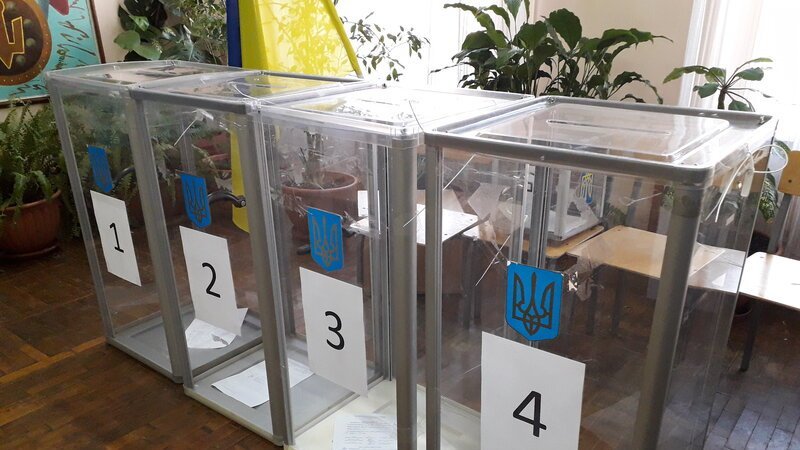
Trump Seizes Federal Control Over Mail-In Ballots — Experts Say He Lacks the Authority
Trump signed an executive order directing DHS to create national voter eligibility lists and the Postal Service to only send ballots to "verified" voters. Experts: "The Constitution doesn't give DHS any power over elections." ACLU immediately pledged to sue.
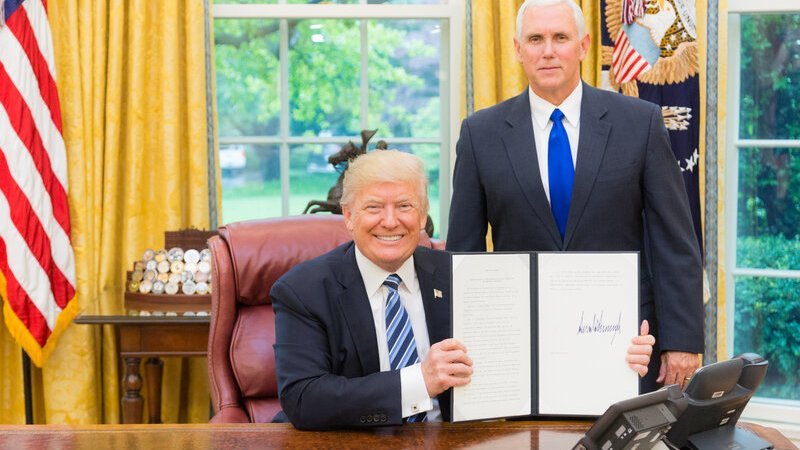
Voter Fraud Commission Disbanded After Finding Zero Evidence
After claiming 3-5 million illegal votes, Trump created a voter fraud commission. Most states refused to cooperate. It found zero evidence of widespread fraud — internal report sections on fraud were "glaringly empty." It was quietly disbanded.