#mail-in-voting
7 entries with this tag
After a Yearlong Campaign to Restrict Mail Voting and Repeated Emergency Trips to a Friendly Supreme Court, Trump Was Finally Told No: the Court Left Judge Talwani's Block in Place, Refusing to Let His USPS Mail-Ballot Rule Take Effect for the 2026 Midterms — Finding the Administration Unlikely to Win and, Per Kavanaugh, That Imposing the Rushed Rule Now Would Be "Arbitrary and Capricious"; Only Thomas and Alito Publicly Dissented
On September 14, 2026, the Supreme Court refused to let Trump's mail-voting restrictions take effect for the 2026 midterm elections — leaving in place the preliminary injunction issued by U.S. District Judge Indira Talwani and denying the administration's emergency bid to lift it. The practical result: voters will not face the new hurdles this fall. The Court's majority said the administration was unlikely to succeed on the merits of its challenge. Justice Brett Kavanaugh, concurring, allowed that there is "at least a fair prospect" the USPS rule falls within the Postal Service's statutory authority, but concluded that applying it in the 2026 elections "would be arbitrary and capricious in violation of the Administrative Procedure Act because state and local election officials do not have sufficient time to reasonably implement the rule before the elections" — precisely the rushed, unworkable timeline that a whistleblower, the states, and Judge Talwani had all warned about. Only Justices Clarence Thomas and Samuel Alito publicly dissented; no other justice disclosed a vote to let the rule proceed. This is a defeat for Trump, and a notable one: the same Court that in August lifted an earlier injunction in his favor declined, weeks later, to clear his signature voter-suppression scheme in time for the election it was built for. The rule would have required states to upload voter lists to USPS and meet new ballot-envelope and barcode requirements, letting the Postal Service withhold ballots from voters not on a federal database. For this election, it is dead.
A Federal Judge Blocked Trump's Mail-Ballot Scheme Outright — Ruling the Postal Service Rule Likely Unconstitutional Because Only States and Congress Can Set Election Rules, and Finding That Its Rushed Timeline Would Make Voter Disenfranchisement "Practically Inevitable" Before the Midterms — a Real Defeat, Even as His Administration Had Already Raced to the Supreme Court the Day Before to Override Her
On September 4, 2026, U.S. District Judge Indira Talwani issued a preliminary injunction blocking the U.S. Postal Service from implementing the mail-ballot rule at the heart of Trump's executive order to restrict voting by mail — a durable block that replaces the temporary one she had issued on August 27. Her findings were sharp: the rule is likely unlawful and unconstitutional because it usurps the states' authority to run their own elections (a power the Constitution gives to states and Congress, not the president), and its rushed timeline would make voter disenfranchisement "practically inevitable" before the November midterms, leaving states an "impossible" schedule to comply. The rule she blocked would have forced state and local election officials to submit their ballot envelopes for USPS "design review," add unique tracking barcodes, and upload voters' names, addresses, and barcode data to a new federal portal — and barred the Postal Service from sending ballots to eligible voters until it approved all of that, regardless of looming deadlines. This is a genuine defeat for Trump, and a detailed judicial repudiation of the scheme. But it may be fragile: the administration had already gone to the Supreme Court the day before asking the justices to override her, and it is expected to appeal. The ruling is documented here because of what it establishes on the record — that a court, examining the actual mechanics, found Trump's mail-voting plan both likely illegal and a near-certain engine of disenfranchisement.
Two Days After a Whistleblower Warned That the Postal Service's Rushed Ballot System Could Reject Votes in Bulk — and After Already Winning One Round at the Supreme Court in August — Trump's Administration Raced Back to the Same Court a Second Time, Asking the Justices to Lift a Fresh Federal Order Blocking the USPS Rule So It Can Switch the System On Before the November Midterms
On September 3, 2026, the Trump administration returned to the Supreme Court for the second time in its fight to restrict mail-in voting before the midterms — asking the justices, on an emergency basis, to pause an order by a federal judge in Boston that blocks the U.S. Postal Service from implementing parts of its new mail-ballot rule. The sequence is relentless. Trump's March executive order directs the Postal Service to deliver mail ballots only to people on federally compiled citizenship lists; two courts blocked it as unconstitutional; in August the Supreme Court, 6-3, lifted one of those injunctions; USPS then issued a final rule on August 26; and on August 27 a federal court temporarily blocked the agency from implementing parts of it, with that restraining order set to expire September 10 and a ruling on a longer-term injunction expected within days. Rather than wait for that ruling, the administration went straight back to the Supreme Court to try to clear the block now. The timing is the tell: just two days earlier, a federal whistleblower warned Congress that this very USPS system was rushed, untested, and designed with a "zero-percent failure policy" that could reject entire batches of ballots. The administration is, in effect, asking the Supreme Court to let it switch on a machine it was just warned could disenfranchise millions — racing the calendar toward November, and using the emergency docket to keep the fight on procedure so the courts never have to answer the actual question: whether a president has any authority to run elections at all. He does not.
Trump's Multi-Front Assault on How Americans Vote — a Mail-Ballot Executive Order, a Bid for a National Voter Database, Citizenship-Document Demands, and a Rushed USPS System That Could Reject Ballots in Bulk — Has Run Into a Wall of Public Rejection: Mail Voting Is Popular Across Both Parties, Voters Tell Pollsters His Fraud Claims Are "BS," and His Broader Power Grab Drew One of the Largest Protest Days in American History
Trump has spent 2026 waging a coordinated campaign against how Americans vote — an executive order directing the Postal Service to restrict mail ballots, an effort to compile a national database of voters' private data, demands that registrants produce documents like birth certificates and passports, and, as a whistleblower recently revealed, a rushed USPS system that could reject entire batches of ballots. The stated rationale is "election integrity" and the specter of noncitizen voting. The problem for Trump is that Americans are not buying it, and the backlash has been broad and measurable. Mail and early voting are popular across party lines — Pew found 60% of Americans, including 37% of Republicans, believe people should be able to vote early or absentee without an excuse. CNN's chief data analyst, Harry Enten, summarized the polling bluntly: voters feel Trump is "full of it. Full of BS" on mail voting, the attacks "aren't sticking," and he'd be better off moving on. The rejection extends beyond surveys: the "No Kings" mobilization against Trump's imperial turn filled all 50 states with more than 3,300 events, among the largest single-day protests in U.S. history, and roughly 43% of registered voters say they support it, while a Navigator poll found 52% of Americans describe the federal government as "authoritarian." The through-line is that Trump is attacking a voting method his own voters like, on a fraud premise the evidence does not support, and the public — in polls and in the streets — is pushing back.
A Federal Whistleblower Warned Congress That the Postal Service Is Secretly Rushing an Untested System to Enforce Trump's Mail-Ballot Order — Built in Under Three Months for a Job That Normally Takes a Year, and Designed With a "Zero-Percent Failure Policy" That Would Reject an Entire Batch of Ballots if Even One Is Flagged — Which Could Disenfranchise Millions of Voters Before the Midterms, in Apparent Defiance of the Courts
On September 1, 2026, Sen. Richard Blumenthal (D-Conn.), ranking member of the Permanent Subcommittee on Investigations, released a whistleblower report from a federal official warning that the U.S. Postal Service is secretly building a rushed, untested system to implement Trump's mail-in-ballot executive order — and that it could keep millions of voters from getting their ballots this November. The system, a "Federal Ballot Mail Portal" to verify that states' mail ballots comply with the new rule, was reportedly not started "in earnest" until June 2026, giving USPS under three months to build something that would normally take nine to twelve. Most alarming is its design: the whistleblower describes a "zero-percent failure policy" under which an entire batch of ballots could be rejected if even a single ballot in it is deemed invalid — meaning, as one account put it, tossing out 9,999 valid ballots to stop one questionable one. The whistleblower says USPS leadership "discarded all best practices" to hit a September 1 deadline, "raising questions about whether catastrophic failure would be a feature rather than a bug," and alleges that development continued despite court injunctions and a Supreme Court ruling that had blocked the order. These are allegations from an insider, released by a Democratic senator, and USPS is pressing ahead while the DOJ appeals. But if accurate, they describe a plan to disenfranchise voters at scale, in secret, by machine — the operational engine behind a mail-voting order this archive has tracked from executive decree to courtroom.
The Supreme Court Cleared One of the Two Legal Roadblocks to Trump's Mail-Ballot Executive Order — a Decree That Would Let the Postal Service Refuse to Deliver Mail Ballots From States That Don't Hand Over Their Voter Rolls, Months Before the Midterms — Over a Dissent Warning It "Needlessly Injects Chaos" Into the Election; Justice Jackson Called It a "Kafkaesque Nightmare"
On August 24, 2026, the Supreme Court lifted one of two injunctions that had frozen Trump's executive order restricting mail-in voting — an order that, among other things, would have the U.S. Postal Service decline to deliver mail ballots from any state that refuses to hand the federal government a list of every voter receiving one, impose new federal design and tracking standards on mail ballots, and put the Department of Homeland Security in the business of screening state voter rolls. The unsigned order fell along ideological lines. Justice Ketanji Brown Jackson dissented, warning the ruling "needlessly injects chaos and uncertainty into the upcoming midterm elections" and calling the situation a "Kafkaesque nightmare"; Justices Sotomayor and Kagan also dissented. Crucially, the order is not yet in effect: a second nationwide injunction — won by the League of Women Voters and other groups on August 11 — still stands, and legal experts expect the trial court to quickly block the Postal Service's newly finalized rule too. But the direction is unmistakable. The Constitution's Elections Clause gives states, not the president, the power to run federal elections, and two federal courts found Trump's order unconstitutional on exactly that ground. The Court didn't bless the order — it explicitly said implementing measures could still be unlawful — but it pulled away one of the barriers holding back a presidential attempt to dictate how Americans vote, mere months before they do.
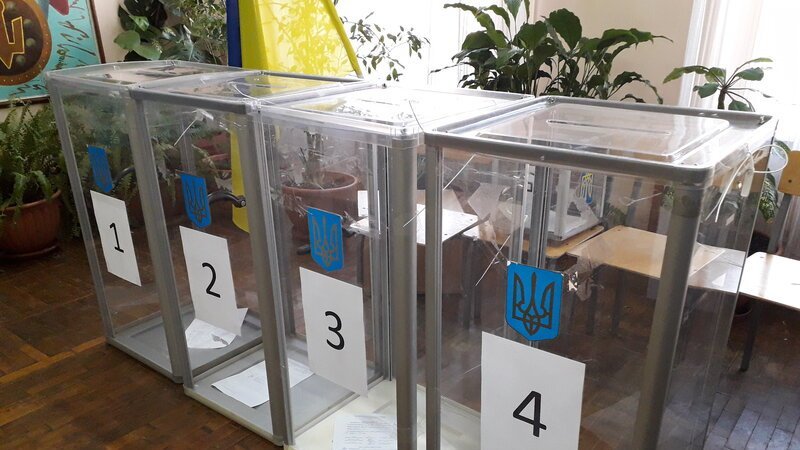
Trump Seizes Federal Control Over Mail-In Ballots — Experts Say He Lacks the Authority
Trump signed an executive order directing DHS to create national voter eligibility lists and the Postal Service to only send ballots to "verified" voters. Experts: "The Constitution doesn't give DHS any power over elections." ACLU immediately pledged to sue.